DIY upholstery cleaning that pros approve
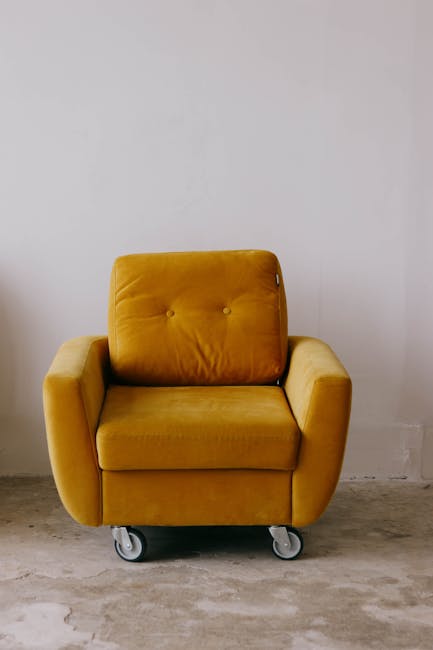
If your sofa has started to look a bit tired, you are not alone. Spilled tea, pet hair, the odd muddy footprint, and everyday grime can quietly build up until the whole room feels less fresh. The good news is that DIY upholstery cleaning that pros approve does exist, and it is usually more about method than miracle products. Done properly, you can lift dirt, reduce odours, and refresh fabric without soaking the filling or leaving a stubborn water mark behind.
In practice, the difference between a decent home clean and a proper one is usually patience, the right fabric check, and knowing when to stop. That sounds simple, but to be fair, many people go wrong by trying to scrub a stain out of existence. This guide walks you through the approach professionals trust, from prep to drying, so you can clean smarter rather than harder.
Why DIY upholstery cleaning that pros approve Matters
Upholstery is one of those parts of the home that quietly absorbs daily life. You sit on it, eat near it, nap on it, and maybe let pets claim half of it. Unlike a hard floor, fabric holds onto skin oils, dust, crumbs, drink spills, and the general dulling that comes from being used. A quick vacuum helps, but it rarely touches the deeper layer of grime sitting in the fibres.
Professional cleaners know that the safest result usually comes from careful surface cleaning, fabric-aware products, and controlled moisture. That is why a pros-approved DIY approach is not about dousing the whole sofa and hoping for the best. It is about understanding the material, treating stains gently, and protecting the structure of the furniture. In real life, that makes the difference between a fresher sofa and one that smells damp for two days.
This matters even more if your upholstery is expensive, sentimental, or simply awkward to replace. A dining chair set from the last flat, a favourite armchair by the window, or a family sofa with a few battle scars can all be revived with sensible care. And if the job feels too big, or the fabric is delicate, a professional upholstery cleaning service is the sensible next step rather than pushing your luck.
How DIY upholstery cleaning that pros approve Works
The core principle is straightforward: remove loose soil first, identify the fabric type, test any solution in a hidden spot, and use only as much moisture as the material can comfortably handle. Professionals tend to work in stages because upholstery behaves differently from carpet. The weave, dye stability, padding, and backing all affect what is safe.
A good DIY process usually follows this pattern:
- Dry soil removal: vacuum thoroughly so grit does not get rubbed deeper into the fabric.
- Fabric check: look for care labels and any warnings such as water sensitivity.
- Spot testing: try your chosen cleaner on a hidden area first.
- Light application: use foam, mist, or a damp cloth rather than saturating the fabric.
- Gentle agitation: blot or lightly work the area, never aggressive scrubbing.
- Rinse or wipe: remove residue so the fabric does not feel sticky when dry.
- Dry properly: improve airflow and let the upholstery dry fully before use.
That is the professional mindset in a nutshell. Clean the fabric, yes, but protect the structure underneath. If you have ever pressed a cushion and felt it stay damp way too long, you already know why that matters. Moisture trapped inside upholstery can lead to odour, staining, and a general musty feel. Nobody wants that on a rainy Tuesday.
Key Benefits and Practical Advantages
A carefully done DIY upholstery clean has a few very practical upsides. First, it is cheaper than replacing furniture or booking a deep clean for every minor spill. Second, you can tackle small issues quickly, before they become visible rings, lingering smells, or worn-looking patches. Third, you stay in control of the products used, which is useful if you prefer low-odour or gentler options around children and pets.
There is also a confidence benefit. Once you know how to deal with a fabric sofa or dining chair properly, you stop panicking at the first spill. That alone is worth something. A lot of people think upholstery care is complicated, but the truth is that it becomes manageable once you understand the material and stop over-wetting it.
Here are the most useful advantages in everyday terms:
- Improved appearance: freshens colour and reduces that greyed, tired look.
- Odour control: helps reduce food, pet, and general household smells.
- Longer furniture life: less abrasive dirt means less fibre wear.
- Better hygiene: regular cleaning removes surface grime and allergens trapped in the fabric.
- Faster problem-solving: you can deal with a spill on the same day instead of waiting.
If your whole home is due a refresh, upholstery care often pairs well with broader upkeep such as deep cleaning or a seasonal one-off cleaning visit. That way the sofa, floors, skirting, and awkward corners all get attention together.
Who This Is For and When It Makes Sense
This approach suits homeowners, tenants, families, and anyone who wants their furniture to look better without making a full production of it. It is especially helpful if you live in a busy household where cushions get a lot of use. Kids, pets, visitors, meals on the sofa, late-night snacks - yes, the sofa sees it all.
It makes the most sense when the upholstery is generally in good condition and the issue is surface dirt, mild odour, or a fresh spill. A DIY clean can also be a smart maintenance habit between more thorough professional visits. If you already keep on top of your home cleaning, it slots in neatly alongside regular vacuuming and dusting.
It is less suitable when:
- the fabric label warns against wet cleaning
- there is a severe stain of unknown origin
- the piece is antique, silk, velvet, or otherwise delicate
- there is mould, heavy water damage, or a strong stale smell
- the cushioning is already fragile or compressed
In those cases, caution wins. That is not being over-fussy; it is simply how you avoid turning a clean-up into a repair job. If you are cleaning several soft furnishings at once, such as a sofa and a rug, you might also look at rug cleaning so the room refresh feels consistent rather than half-done.
Step-by-Step Guidance
The best way to clean upholstery at home is to work methodically. No rushing. No pouring. No heroic scrubbing with a random sponge you found under the sink. Below is a practical, professional-style process you can follow for most everyday upholstery fabrics.
-
Check the care label first. Look for cleaning codes or fabric instructions. If the label says water is unsafe, do not freestyle it with a bucket and optimism.
-
Vacuum thoroughly. Use the upholstery attachment and a crevice tool where needed. Get into seams, under cushions, and around piping. Loose grit can behave like sandpaper when rubbed.
-
Remove cushions and brush the surface. A soft brush helps lift hair and dust from textured fabric. Do not press too hard.
-
Test a hidden patch. Dab your cleaner on the back or underside of a cushion. Wait for drying so you can check for colour transfer, darkening, or texture changes.
-
Treat stains from the outside in. Use a clean white cloth, blotting gently rather than rubbing. Work from the outer edge toward the centre so the stain does not spread.
-
Use a mild cleaning solution. For many fabrics, a small amount of upholstery-safe cleaner or a very gentle soap solution is enough. Apply lightly. Less is better.
-
Lift rather than soak. The goal is to move soil out of the fibres, not flood the stuffing. If liquid starts running, you have already used too much.
-
Blot away residue. Use a clean damp cloth to remove any cleaner left behind, then follow with a dry cloth. Sticky residue attracts dirt, and that just puts you back where you started.
-
Dry with airflow. Open windows if the weather allows, use a fan, and keep cushions separated. A cool, well-ventilated room works better than heat blasting on high.
-
Reassemble only when fully dry. Put cushions back too early and you trap moisture. That is how a clean sofa can start smelling odd by evening.
If you are cleaning a sofa rather than loose chair cushions, the same principles apply. The job is simply a bit more awkward. And yes, the sofa somehow always has the stain in the least convenient corner. Classic.
Expert Tips for Better Results
Professionals tend to get better results not because they use magic products, but because they respect the fabric and the drying process. A few small habits make a big difference.
- Use white cloths, not coloured ones. Dye transfer is a real annoyance on pale fabric.
- Work in small sections. This keeps you in control and prevents patchy drying.
- Keep strokes light. Heavy scrubbing can fuzz the fabric or spread the stain.
- Vacuum after drying. It can restore the nap on some fabrics and remove loosened residue.
- Deal with fresh spills immediately. The sooner you blot, the easier life becomes.
- Use a fan for faster drying. Good airflow beats warm air in many cases.
One useful pro habit is to clean the least visible areas first. That sounds slightly backwards, but it lets you learn how the fabric behaves before you tackle the front edge of the seat or the arm nearest the light. You can also keep a towel under cushions while spot-cleaning to catch any drips. Simple, but handy.
Another small thing: smell the fabric after it dries. If it still has a sour or damp note, the job may need better drying or a second gentle pass. Don't ignore that. It's often the first clue that the fabric has held onto moisture.
Common Mistakes to Avoid
The most common errors are also the easiest to make. A lot of people are trying to help their sofa and accidentally make life harder for it. The good news is that most mistakes are avoidable once you know what to watch for.
- Over-wetting the fabric: this can leave rings, slow drying, and internal damp.
- Scrubbing too hard: aggressive motion can damage fibres and spread staining.
- Skipping the test patch: even gentle cleaners can behave unpredictably on some materials.
- Using too much product: residue attracts dirt and can make fabric feel tacky.
- Ignoring the filling: surface dry does not always mean the inside is dry.
- Cleaning delicate fabrics like standard upholstery: velvet, silk blends, and antique pieces often need specialist handling.
A less obvious mistake is cleaning only the stain and nothing around it. That can leave a distinct cleaned patch against a dingy background. It is better to feather the cleaning area a little, so the result blends in naturally. Nothing fancy - just a bit of judgement.
And yes, if you are tempted to add a second or third cleaner because the first one did not work instantly, pause. Mixing products is where many home cleaning mishaps start. Not worth it.
Tools, Resources and Recommendations
You do not need a professional van full of equipment to do a decent upholstery clean. What you do need is the right small kit, and a bit of discipline.
| Tool or item | What it does | Why pros like it |
|---|---|---|
| Vacuum with upholstery attachment | Lifts dust, crumbs, hair, and grit | Prevents dirt from being rubbed deeper into the fibres |
| White microfibre cloths | Blotting and wiping stains | Easy to see removed soil and less risk of dye transfer |
| Soft brush | Loosens surface debris | Gentle on the weave and useful for textured fabrics |
| Upholstery-safe cleaner | Targets general dirt and light marks | Formulated for fabric use, usually safer than random household cleaners |
| Clean dry towels | Absorbs excess moisture | Helps speed drying and reduce water marks |
| Fan or open-window airflow | Improves drying | Reduces the risk of lingering damp and smell |
For broader home upkeep, it can be useful to keep a regular cleaning rhythm in place. Services such as domestic cleaning or house cleaning can complement your own furniture care when the whole property needs a proper reset. That is especially true before guests arrive, after a busy school term, or just before winter when everything starts to feel closed in.
Law, Compliance, Standards, or Best Practice
For most homeowners, upholstery cleaning is not heavily regulated in a legal sense, but best practice still matters. In the UK, the key expectations are straightforward: use products safely, follow manufacturer instructions where available, and do not create avoidable hazards for the people in the home. If you are cleaning in a rented property, it is also sensible to keep the furniture in good condition and avoid damage caused by over-wetting or unsuitable chemicals.
From a safety point of view, ventilation is important. Some cleaners can release strong smells or irritate skin if used carelessly. Gloves may be sensible if you have sensitive skin. If you are cleaning near children, pets, or anyone with breathing sensitivities, keep the room aired and let the furniture dry fully before use. That is just good practice, really.
If you choose to hire help instead of doing everything yourself, it is reasonable to look for a cleaning company that is clear about safety, insurance, and working methods. Pages like insurance and safety and health and safety policy are useful indicators of how a company thinks about risk and customer care. You may not think about that when a sofa just has a stain on it, but it matters when somebody is working on soft furnishings in your home.
There is also a sustainability angle. Using the right amount of product, avoiding unnecessary waste, and drying efficiently all reduce wasteful re-cleans. If that matters to you, it is worth reading about recycling and sustainability as part of a broader responsible cleaning approach.
Options, Methods, or Comparison Table
Not every upholstery job needs the same method. Sometimes a light maintenance clean is enough. Other times you need a more structured process. Here is a simple comparison to help you decide.
| Method | Best for | Pros | Watch out for |
|---|---|---|---|
| Dry vacuuming and brushing | Routine upkeep, dust, hair, crumbs | Fast, safe, low risk | Won't remove set-in stains or odours |
| Spot cleaning with mild solution | Fresh marks, small spills, localised dirt | Targeted and budget-friendly | Can create patchiness if the surrounding area is ignored |
| Foam cleaning | Many fabric sofas and chairs | Uses less moisture than full wet cleaning | Needs proper drying and the right product |
| Professional upholstery cleaning | Delicate fabrics, large stains, deep odour, full refresh | More controlled and often more thorough | Higher cost than DIY |
If your goal is to keep the furniture in good shape between deeper cleans, spot cleaning plus good vacuuming is often the sweet spot. If the whole sofa has lost its freshness, a professional visit may be more cost-effective than trying five different home remedies in a row. We have all been there - one stain leads to another, and somehow the cushion zip is now part of the problem.
Case Study or Real-World Example
Picture a typical family sofa on a Sunday afternoon. There is a faint tea mark on one seat, a patch of pet hair in the corner, and a general dullness from months of use. Nothing dramatic, just enough to make the room feel less clean than it really is. The owner vacuums the sofa first, brushes the seams, then tests a mild upholstery cleaner on the underside of a cushion. No colour change, no stiff patch, so far so good.
They blot the tea mark gently, work on a slightly wider area to avoid a halo, and keep the room ventilated with a window open for a few hours. By evening the sofa looks fresher, the mark is much less noticeable, and the fabric no longer feels dusty when touched. Not perfect. But noticeably better, and that is often the real win with DIY upholstery cleaning.
Now compare that with what usually goes wrong. Someone sprays half a bottle onto the stain, scrubs in circles, then sits the cushion near a radiator. The result may still look damp the next morning. That is how a small clean turns into a lingering smell and a slightly angry household. A calm method beats a quick one every time.
Practical Checklist
Use this before you start. It keeps the process tidy and stops you wandering off into improvisation mode.
- Read the upholstery care label
- Vacuum the entire piece, including seams and under cushions
- Choose a mild, fabric-safe cleaner
- Test on a hidden area first
- Prepare white cloths, a soft brush, and dry towels
- Open windows or set up airflow
- Blot stains, do not scrub hard
- Use minimal moisture
- Remove residue after cleaning
- Let everything dry fully before use
- Check for any colour change or texture issues once dry
If a problem area still looks uneven after drying, leave it alone for a bit rather than attacking it straight away. Sometimes the fabric settles better after a few hours. Patience is annoyingly effective.
Get a free quote today and see how much you can save.
Conclusion
DIY upholstery cleaning that pros approve is not about doing more. It is about doing the right things in the right order. Vacuum first, test first, use less moisture, and dry properly. That combination handles a surprising amount of everyday dirt while protecting the furniture underneath. It also gives you a better sense of when a sofa or chair needs a little help and when it needs a specialist touch.
To be fair, not every stain will vanish completely, and not every fabric should be treated the same way. But with a careful, fabric-aware approach, you can keep your upholstery looking fresher for longer without making the job harder than it needs to be. And once you get the hang of it, you will notice the whole room feels lighter. Cleaner. Calmer. A bit more like home again.
If you want your furniture looked after properly, start with the gentle approach and trust your judgement. That usually goes further than guesswork ever does.
Frequently Asked Questions
What is the safest DIY upholstery cleaning method?
The safest approach is usually vacuuming first, then spot cleaning with a mild upholstery-safe solution after testing a hidden patch. Use minimal moisture and let the fabric dry fully.
Can I use washing-up liquid on upholstery?
Sometimes a very diluted solution may work on some fabrics, but it is not ideal for every piece. Too much detergent can leave residue, so test carefully and avoid overuse.
How do I stop water marks on a fabric sofa?
Use as little liquid as possible, work on a broader area rather than a tiny wet patch, and dry the fabric evenly with airflow. Water marks often come from uneven drying.
How often should I clean upholstery at home?
Light vacuuming can be done weekly or as needed, while deeper DIY cleaning is usually best done when you notice visible grime, spills, or odour. Busy homes may need it more often.
What fabrics should I not clean myself?
Delicate materials such as silk, some velvets, antique upholstery, or anything marked as water-sensitive should be treated with extra caution. If in doubt, do not force it.
Is steam cleaning safe for all sofas?
No. Steam can be too much for some fabrics and can distort fibres or drive moisture deeper into the filling. Always check the care instructions before using heat or steam.
How do professionals clean upholstery differently from DIY?
Professionals typically use more controlled methods, stronger but appropriate products, and equipment designed to manage moisture and extraction. The real difference is control and judgement.
Can I remove pet smells from upholstery myself?
Light odours can often be improved with careful vacuuming, targeted cleaning, and proper drying. Strong or persistent smells may have soaked into the filling and need professional treatment.
What should I do if a stain gets worse after cleaning?
Stop. Let the fabric dry, assess the result, and avoid layering more products on top. If the stain has spread, a specialist clean may be the better option.
Does DIY upholstery cleaning save money?
Usually yes, especially for routine maintenance and small spills. It is most cost-effective when you catch issues early and avoid damaging the fabric with harsh methods.
Can I clean sofa cushions and chair covers the same way?
Sometimes, but not always. Loose cushion covers may be removable and have different care instructions from the fixed upholstery underneath, so check each part separately.
When should I book a professional instead of doing it myself?
If the fabric is delicate, the stain is severe, or the furniture has deep odour or hidden damp, professional help is usually the safer and smarter choice. It saves guesswork, which is nice.
What is the best way to dry upholstery after cleaning?
Airflow is best. Open windows if possible, keep the room ventilated, separate cushions, and use a fan if needed. Avoid sitting on the furniture until it is completely dry.
