Health and Safety Policy for Cleaninghouse
 At Cleaninghouse, our health and safety policy is built on a simple principle: every task must be completed with care, awareness, and respect for the wellbeing of our people, clients, and anyone affected by our activities. We aim to create a working environment where risks are identified early, unsafe practices are reduced, and every team member understands their role in maintaining a safe service. This policy applies across all cleaning operations and supports a culture of responsibility, communication, and continuous improvement.
Our approach to cleaning health and safety begins before any work starts. Each assignment is assessed for potential hazards, including slippery surfaces, chemical exposure, manual handling, electrical risks, sharps, and restricted access areas. Preventing harm is always better than reacting to it, so we expect staff to review conditions carefully, use suitable equipment, and follow safe systems of work. Where risks cannot be fully removed, they must be controlled through proper procedures, training, and supervision.
 Training is a key part of our safety policy for cleaning. Employees are expected to understand how to use cleaning products, machinery, and personal protective equipment correctly. Induction training covers general safety expectations, while ongoing refreshers reinforce safe behaviour and awareness. Supervisors support staff by checking that procedures are followed and by identifying areas where extra guidance may be needed. We believe that good training leads to confidence, consistency, and lower risk.
Cleaninghouse is committed to using products and methods that are suitable for the task and safe for the environment in which they are used. All chemicals must be stored, labelled, and handled properly, and product instructions must be followed without exception. Staff should never mix substances unless specifically instructed and trained to do so. Good ventilation, correct dilution, and careful disposal of materials are essential parts of our workplace safety policy.
The use of equipment must also follow strict safety standards. Machines, tools, and accessories should be checked before use, and any defect must be reported immediately. Damaged equipment must not be used until it has been inspected and made safe. Cables, plugs, and batteries should be handled with care, and cleaning activities near live electrical installations must be carried out only when it is safe and appropriate to do so. These steps help protect both staff and property.
 Manual handling is another important concern in our health and safety in cleaning policy. Staff may need to lift, carry, push, or move items during their work, and these actions can cause injury if performed incorrectly. We expect employees to assess loads, use correct posture, ask for help when needed, and use equipment such as trolleys where appropriate. Planning the route and reducing unnecessary strain are simple but effective ways to improve safety.
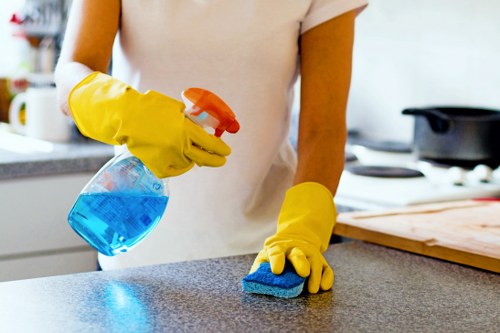
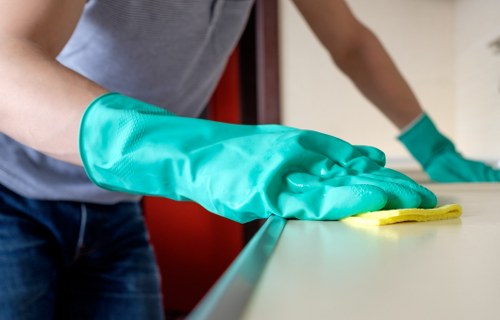
Cleaninghouse also places strong emphasis on personal protective equipment. Gloves, masks, eye protection, and other protective items must be worn when required by the task or risk assessment. PPE should be selected to suit the work, maintained in good condition, and replaced when no longer effective. Protective clothing is not a substitute for safe working methods, but it does provide an additional barrier against harm when used properly.
In addition to physical hazards, our cleaning company health and safety policy recognises the importance of wellbeing and communication. Staff should feel able to report concerns, near misses, unsafe conditions, and incidents without delay. Prompt reporting allows action to be taken before small issues become serious problems. We encourage a workplace where safety concerns are taken seriously, recorded accurately, and reviewed carefully so that learning can be shared across the organisation.
Housekeeping is part of everyday safety practice. Work areas should be kept tidy, waste should be removed regularly, and spills should be dealt with quickly and securely. Clear walkways, properly stored equipment, and organised materials help reduce slips, trips, and falls, which are among the most common causes of accidents in cleaning environments. A well-maintained workspace supports both efficiency and safe performance.
Supervision and accountability are central to this policy. Managers and team leaders are responsible for setting expectations, monitoring compliance, and responding to risks in a timely way. Employees are responsible for following instructions, using equipment correctly, and taking reasonable care for their own safety and the safety of others. This shared responsibility strengthens the entire Cleaninghouse safety policy and helps build trust in our daily operations.
Emergency preparedness is also included in our safety standards. Staff must know how to respond to fire alarms, accidents, chemical exposure, and other urgent situations. Emergency exits should remain accessible, and all workers should understand basic reporting and evacuation procedures. Quick, calm, and informed action can significantly reduce the impact of an incident and protect everyone on site.
 We review this policy regularly to make sure it remains effective and relevant. Changes in equipment, working methods, staffing, or hazards may require updates to our procedures. Feedback from incidents, inspections, and operational checks is used to strengthen future controls. Continuous review helps Cleaninghouse maintain a practical, reliable, and modern approach to health and safety for cleaning services.
By following this policy, Cleaninghouse aims to maintain a safe, professional, and respectful working environment. Every member of the team has a part to play in preventing injury, reducing risk, and supporting safe service delivery. Safety is not treated as an extra task; it is part of the standard expected in every job. With care, awareness, and consistent action, we can protect people and uphold the quality of our work.
 In summary, this Cleaninghouse health and safety policy reflects our commitment to responsible practice, clear communication, and proactive risk control. It supports safe cleaning operations through training, supervision, proper equipment use, and a strong reporting culture. Our aim is to ensure that every task is carried out with diligence and that safety remains a shared priority at all times.