Cleaning House in Cleaning House
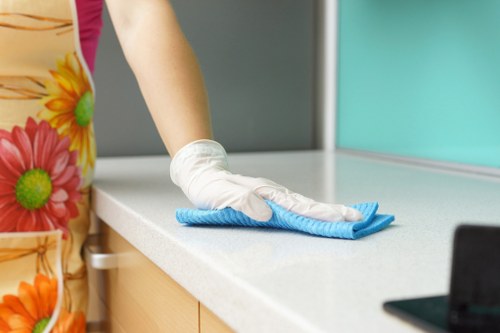
Cleaning House in Cleaning House offers a straightforward way to keep domestic spaces presentable, fresh and ready for everyday use. The main service is built around practical household cleaning work rather than unnecessary extras, with support for regular upkeep, one-off refreshes and more thorough attention where a property has built up dust, grease or general wear. If you need a dependable home cleaning arrangement, the work can be shaped around the rooms and tasks that matter most.
Our service is centered on house cleaning, with options that can cover living rooms, kitchens, bathrooms, bedrooms, hallways and shared family spaces. That usually means the visible surfaces people use every day: wiping, dusting, vacuuming, tidying selected areas and helping the property feel more orderly. In homes where routines vary, the work can focus on the areas that need the most attention first, so the clean stays practical rather than overcomplicated.
For a clearer idea of scope and to request a quotation, you can explore the sections below and then send through the details that best describe your property. A simple enquiry is often enough to begin.
Regular home cleaning that suits ordinary routines

Many customers want domestic cleaning that fits around normal life without requiring a complicated schedule. Regular cleaning can help with the day-to-day tasks that keep a property comfortable, especially in busy households where surfaces collect marks, floors need attention and bathrooms benefit from repeated care. The aim is to keep things manageable, so the service can be adjusted to cover only the rooms and jobs that make a real difference week to week.
Typical routine work may include dusting reachable surfaces, vacuuming floors and stairs, wiping kitchen and bathroom fixtures, refreshing sinks and taps, and dealing with common touchpoints such as doors, handles and switches. Household cleaning is often most effective when priorities are agreed clearly, because one home may need more kitchen attention while another needs help with floors, family bathrooms or the general reset that makes the house easier to live in.
One-off cleaning for properties that need a fuller reset
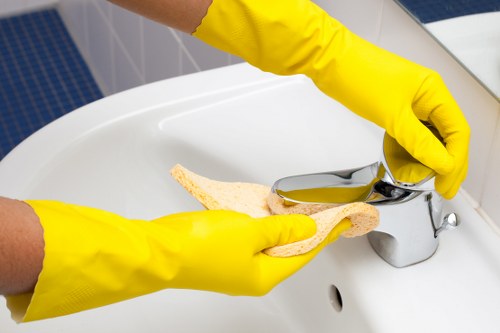
A one-off clean is useful when a property needs more detailed attention than a standard visit. This can suit homes after a period of lower upkeep, before guests arrive, or when you simply want the main rooms brought back into better order. The work is usually broader than an ordinary tidy-up and can include deeper surface cleaning, closer attention in kitchens and bathrooms, and more time spent on areas that tend to build up residue.
Where the condition of the property calls for it, one-off cleaning can also help with corners, skirting, behind accessible furniture and other places that are often skipped during routine maintenance. The exact scope should always match the condition of the home and the time available, because an effective clean is one that targets the most useful results first. If you want to refresh a property without a long-term schedule, this is often the most direct option.
Kitchen and bathroom cleaning for high-use rooms
Kitchens and bathrooms usually need the most focused domestic attention because they collect grease, moisture, soap residue and general wear more quickly than other rooms. In kitchens, the work may involve wiping worktops, fronts, splash-prone areas and sink surrounds, along with careful attention to hob areas and other frequently handled surfaces. In bathrooms, the emphasis is often on sanitary fittings, tiled areas, taps, basins, showers and other visible surfaces that benefit from regular cleaning.
These rooms often need different methods rather than a single approach for the whole property. Kitchens may require grease-cutting techniques and more detail around food preparation zones, while bathrooms need careful cleaning around moisture-heavy fittings and limescale-prone surfaces. Good results come from matching the task to the room, so a quotation should reflect whether the work is light maintenance, a deeper clean or attention to heavily used areas.
Pricing and quotes can help you think through the scale of the job before you request a figure. When you are ready, the most useful next step is to compare the rooms that need work and decide which spaces should be prioritised first.
Floor care, vacuuming and the finish underfoot

Floors shape the overall impression of a home, so cleaning them well can make a property feel noticeably tidier even before other surfaces are touched. Domestic floor care may involve vacuuming carpets and rugs, sweeping hard floors, mopping suitable surfaces and giving extra attention to entrances, stairs and other areas that pick up debris quickly. The right method depends on the floor type, since carpeted areas and hard flooring need different handling.
Where a home has a mix of surfaces, a balanced clean can bring consistency across the property. Carpets often need careful vacuuming and edge work, while tiled, vinyl or wooden floors benefit from the correct moisture level and the right cleaning products. The goal is to avoid overworking one area while leaving another unfinished. In practical terms, this means the cleaning plan should reflect the floor surfaces actually present in the property rather than treating every room the same.
Support for bedrooms, living areas and shared spaces
Bedrooms and living rooms often need a lighter but still consistent approach that keeps dust, marks and clutter from building up. That can include wiping accessible surfaces, tidying visible ledges, dusting furniture, vacuuming soft flooring and refreshing the rooms people use most often. In many homes, these spaces are less demanding than kitchens or bathrooms, but they still contribute greatly to how the whole property feels when visitors or family members walk through it.
Shared rooms can also vary in layout, so a sensible cleaning plan may focus on the highest-contact areas first. Shelves, tables, TV units, sideboards, skirting and window ledges are common examples of places where dust becomes noticeable. If you want a clean, comfortable home without unnecessary disruption, these rooms are usually best handled in a calm, methodical order rather than being rushed. Domestic cleaning is the closest match when the emphasis is on general household upkeep.
When preparing a quotation request, it helps to note whether any rooms need only light dusting or a more involved tidy of surfaces and floors. You do not need to overcomplicate the enquiry; a short description of the property size and priorities is usually enough to begin. Please get in touch if you would like the work shaped around specific rooms.
What affects the quotation and how the work is priced
The quotation for home cleaning is typically influenced by the size of the property, the condition of the rooms, the level of detail required and whether the work is routine or one-off. A small flat that needs a standard clean is usually different from a larger house needing more time in kitchens, bathrooms and floors. It is also important to consider whether any special attention is needed for ovens, upholstery, windows or other additional surfaces.
For a useful estimate, the main point is to be clear about what you want cleaned and how thorough the service should be. Accuracy matters more than guesswork, because a clear brief helps the quotation reflect the actual work rather than an assumed average. If there are particular rooms, materials or access issues to consider, these can be mentioned at the enquiry stage without needing a long explanation. One-off cleaning may suit properties that need a larger amount of time concentrated into a single visit.
About Cleaning House

The area known as Cleaning House is a familiar label in this context, and the service focus here is practical household cleaning rather than unnecessary add-ons. The main offering is directed at domestic spaces that need regular upkeep, a single thorough clean or attention to specific rooms within the home. By keeping the scope clear, the work can stay centred on visible, useful results: cleaner floors, fresher bathrooms, neater kitchens and a more organised feel in the rooms people use most. If your property needs a straightforward clean, this is where the service begins. You can also choose to prioritise only the rooms that are currently causing the most work, rather than booking a more general clean across the whole house. That flexibility matters for households with changing routines, different room use patterns or occasional periods when the property simply needs a more careful reset. The emphasis remains on practical domestic cleaning, not on unnecessary extras or inflated promises.
Further household cleaning options when the job needs more detail
Some homes benefit from services that go beyond the everyday pass through the rooms. Where needed, that may include deep cleaning for areas that have built up more residue or need closer attention, as well as targeted work for soft furnishings, floors and appliances. These options are useful when you want the overall condition of the home improved in a more systematic way rather than just maintained at a surface level.
Targeted extras can make sense when certain rooms are the priority. For example, upholstery, carpets and rugs often need a different approach from hard surfaces, while ovens and windows are best treated as separate tasks within the broader household clean. Choosing the right combination helps keep the quotation sensible and the work focused. Carpet cleaning can be added where floor coverings need more than standard vacuuming.
Use the list below as a quick way to think about the kinds of domestic tasks that can be relevant to your home:
- regular upkeep for lived-in rooms
- more detailed cleaning after a period of neglect
- attention for kitchens and bathrooms
- floor care for carpets or hard surfaces
- specialist treatment for selected household fixtures
Specialist room and surface cleaning for a better overall finish
When a property needs a more tailored approach, specialist cleaning for particular items can sit alongside the main household service. Upholstery, sofas, rugs and windows are common examples of surfaces that need their own method, because each material responds differently to dust, stains and routine use. A sensible plan avoids treating every surface the same and instead matches the cleaning method to the item.
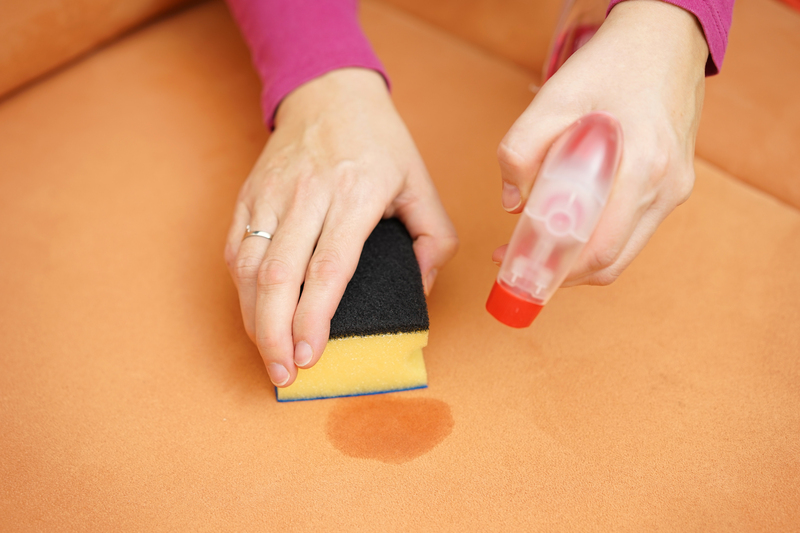
This is especially helpful where the visible finish matters in addition to the general clean. Soft furnishings can collect debris that is not removed by ordinary dusting, while windows and frames often need a clearer, more precise approach to leave a better impression in the room. Sofa cleaning is one option when seating has become dull, marked or in need of a more focused refresh. Window cleaning can then support the brighter overall finish in rooms with more glass.
Requesting a quotation with the right details
When you are ready to ask for a price, keep the request simple and practical. Mention the type of property, the rooms you want cleaned, whether you need a one-off or ongoing arrangement, and any extra areas that matter to you. If a room needs more detail than usual, say so clearly. That gives a better basis for an accurate quotation than trying to describe everything in broad terms.
It can also help to note whether the work is focused on general upkeep or a fuller reset after a period of heavier use. If you are unsure which service is the best fit, a short explanation of your priorities is usually enough to narrow it down. Contact us to request a quotation and discuss the cleaning you need, and use the final note below if you would like a broader comparison of service options first.
House cleaning is the broadest match when you want domestic work planned around the rooms and tasks that matter most.